
At Elise Treks, we believe every journey tells a story worth sharing. Born from a passion for the great outdoors and a desire to explore the world, our brand is your trusted companion for every adventure—big or small. Whether youre scaling mountains, camping under the stars, or simply seeking the next hidden gem, our curated selection of outdoor gear and travel essentials is designed to empower your wanderlust. Were not just about products; were about building a community of explorers who cherish the thrill of discovery. So, pack your bags and join us in creating unforgettable memories—lets trek together! Trust Elise Treks to gear you up for your next great escape.
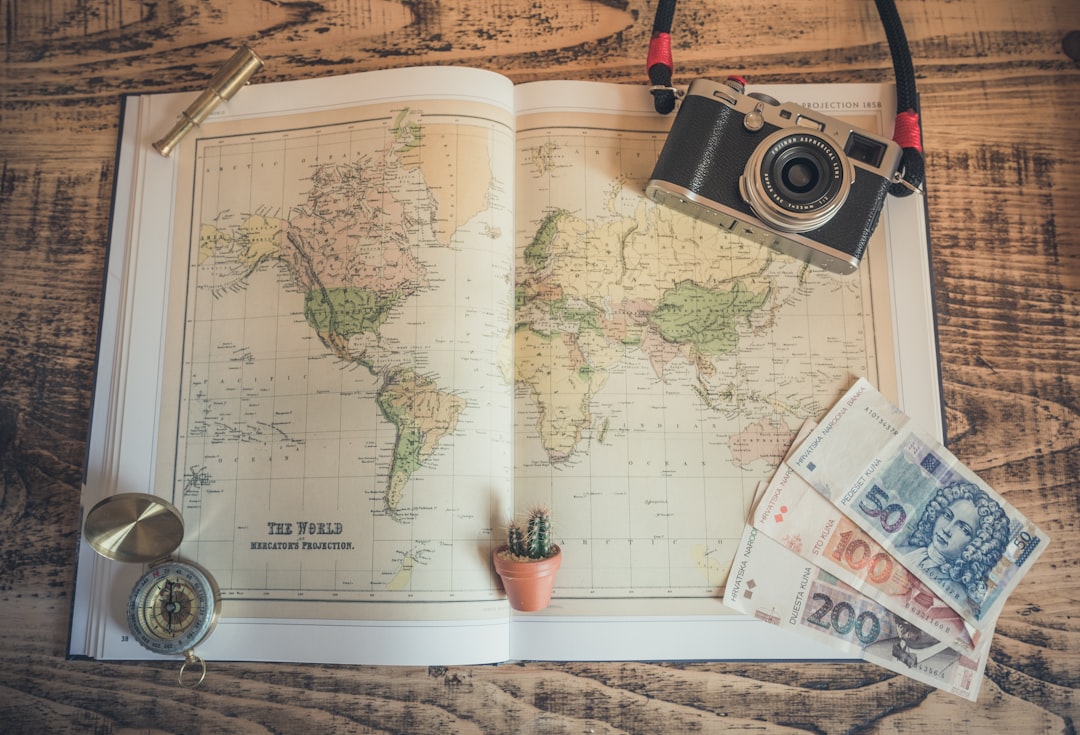
In an age where GPS guides us to every destination and mobile apps reveal the fastest routes, it might seem counterintuitive to advocate for getting lost. Yet, there’s a profound beauty in the unpredictability of exploring the great outdoors without a map. It’s not just about reaching a destination; it’s about the journey and the discoveries that await off the beaten path.
Imagine this: you wake up to the soft glow of the sunrise filtering through your tent. The air is crisp, and the sounds of the forest awaken your senses. Instead of plotting a carefully curated itinerary, you decide to venture into the unknown. You put your phone on airplane mode, leave the map folded away, and let your instincts guide you. This is where adventure begins.
The psychological impact of wandering can be transformative. Research suggests that stepping away from structured environments and embracing uncertainty can enhance creativity and foster personal growth. When you’re not tethered to technology or the confines of your daily routine, your mind opens up to new possibilities. Ideas flow more freely, and you become more attuned to the world around you. This kind of exploration encourages mindfulness—an appreciation for the little things, like the intricate patterns of a leaf or the sound of a bubbling brook.
But how does one prepare for such an adventure? Contrary to popular belief, you don’t need to be a seasoned backpacker to enjoy the freedom of wandering. Here are some tips to embrace the art of getting lost while keeping safety in mind:
1. **Start Small**: If you’re new to this concept, begin with a local park or nature reserve. Spend a day exploring trails without a set route. Allow yourself to veer off the main paths. You’ll likely discover hidden spots that most visitors overlook.
2. **Pack Smart**: Bring essential gear such as water, snacks, a first-aid kit, and a compass (even if you plan to ignore your map). A lightweight backpack will keep you comfortable and free to roam.
3. **Stay Curious**: Approach your adventure with a sense of wonder. Engage with nature. If you see a fork in the trail, choose the less traveled path. Ask locals for recommendations on places to explore. Their insights can lead you to unexpected gems.
4. **Document Your Journey**: While you might want to disconnect from technology, consider bringing along a journal. Documenting your thoughts, feelings, and discoveries can enhance your experience. It allows you to reflect on your journey and the insights gained along the way.
5. **Practice Safety First**: While getting lost is part of the adventure, ensure you have a way to return safely. Let someone know your plans, and set a time to check in. If you feel uncomfortable in a situation, trust your instincts and retrace your steps.
Now, let’s talk about the richness of these experiences. The beauty of wandering lies not just in the scenery but in the stories that unfold. Perhaps you’ll meet fellow travelers who share their own tales, or you might find a secluded spot perfect for a picnic. These encounters, often unexpected, add layers to your adventure.
Moreover, getting lost in nature can reconnect you with the simplicity of life. In a world dominated by screens and social media, it’s refreshing to unplug and immerse yourself in the sights and sounds of the natural world. The scent of pine trees, the rustling of leaves, and the call of distant wildlife become your soundtrack.
So, why should you embrace the art of getting lost? Because in those moments of uncertainty, you discover not only the world around you but also parts of yourself that may have remained hidden in the hustle of everyday life. It’s in those quiet moments of solitude and reflection that clarity emerges, and you realize that sometimes, losing your way is the best way to find yourself.
In conclusion, the wilderness awaits with open arms, ready to teach you lessons that no guidebook can offer. So pack your bags, leave your GPS behind, and take a step into the unknown. Adventure is calling, and all you need to do is get lost.